Ground Source vs Air Source Heat Pump: Which Is Right for You?
September 22, 2026•admin•10 min read
Ground Source vs Air Source Heat Pump: Which Is Right for You?
When people talk about heat pumps, they almost always mean air source heat pumps (ASHPs) — the box bolted to the outside of the house. But there’s another type: the ground source heat pump (GSHP), which extracts heat from the ground rather than the air. Ground source systems are more efficient, quieter, and less visible — but they cost considerably more and require significant outdoor space. This guide breaks down the real differences so you can decide which, if either, makes sense for your home.
Ground Source vs Air Source: The Core Difference
Both technologies work on the same principle: a refrigerant circuit extracts low-grade heat from the environment and compresses it to a useful temperature for heating and hot water. The difference is where that heat comes from.
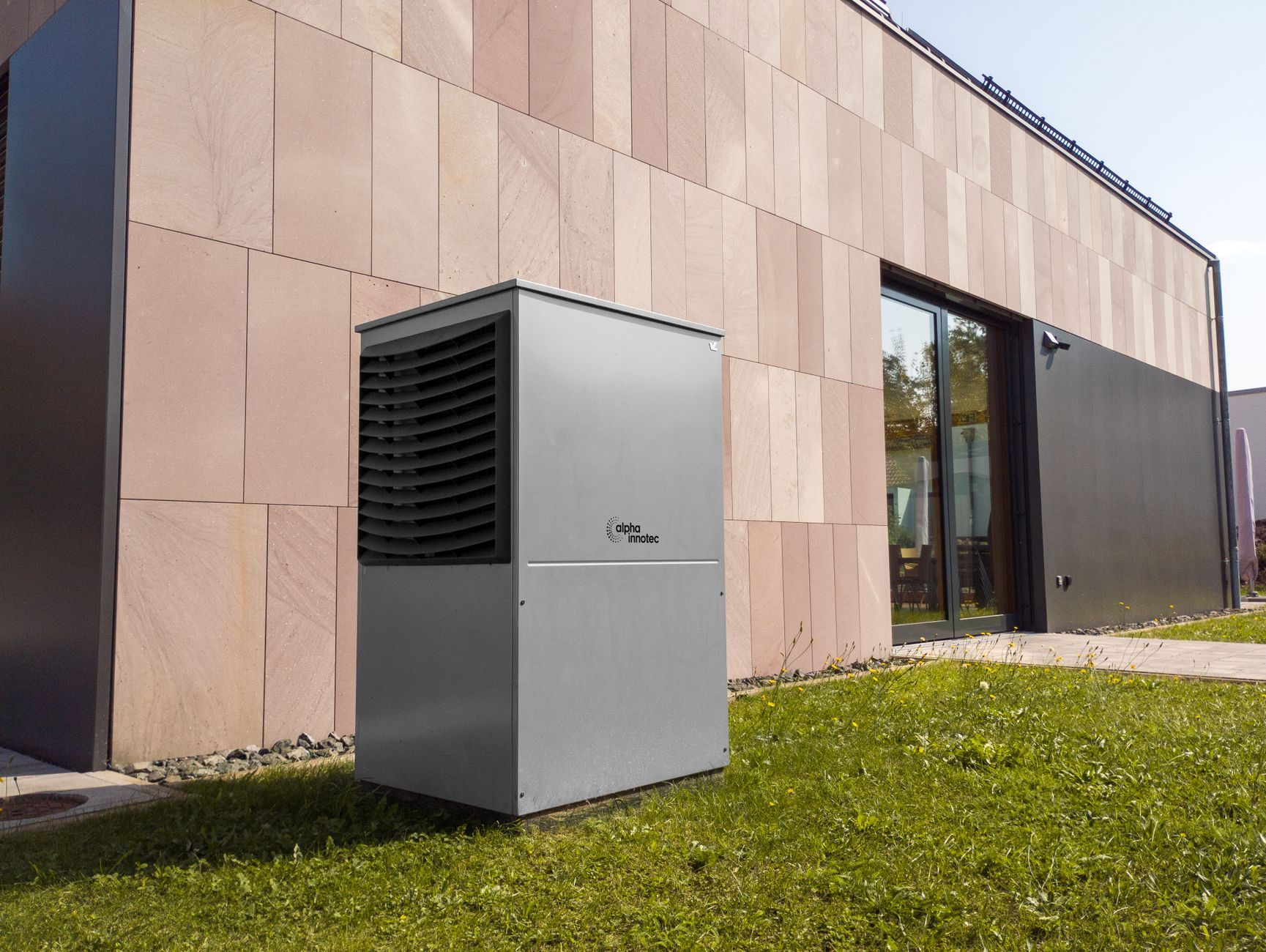
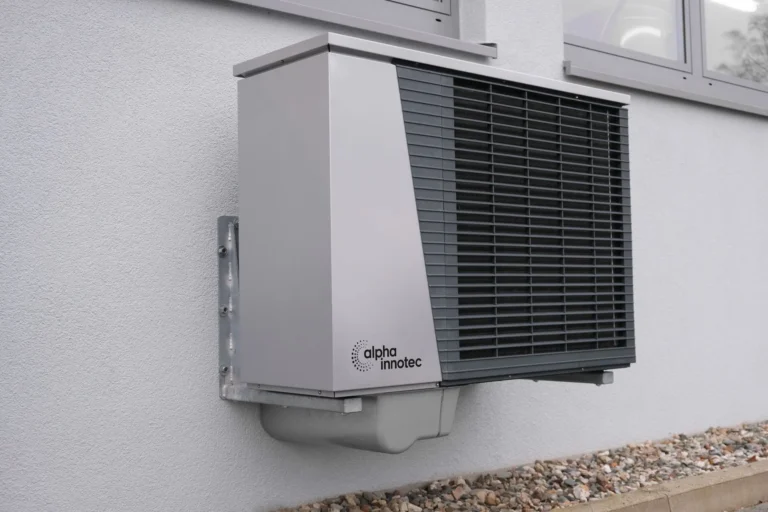
Air source heat pumps extract heat from outside air. They work down to around -20°C, though efficiency falls as temperatures drop. They’re installed outside your home — typically on a wall or ground-mounted on a small pad.
Ground source heat pumps extract heat from the ground via a buried loop of pipe (horizontal trenches or vertical boreholes). Ground temperature in the UK stays at a relatively stable 10–12°C year-round, so GSHPs maintain more consistent efficiency through winter.
Side-by-Side Comparison
Factor
Air Source (ASHP)
Ground Source (GSHP)
Typical installed cost
£10,000–£15,000
£18,000–£35,000+
BUS grant (2026)
£7,500
£7,500
Net cost after grant
£2,500–£7,500
£10,500–£27,500+
Seasonal COP (UK average)
2.5–3.5
3.5–4.5
Noise
40–55dB (fan noise)
Very quiet (pump only)
Space needed
Small external footprint
Large garden or borehole access
Installation disruption
1–3 days
1–2 weeks (trenching or drilling)
Visual impact
External unit visible
Mostly underground, low impact
Maintenance
Annual service
Annual service (loop rarely needs attention)
Lifespan
15–20 years
20–25 years (loop 50+ years)
Efficiency: How Big Is the Gap?
The key efficiency metric for heat pumps is the Coefficient of Performance (COP) — how many units of heat you get for every unit of electricity consumed. A COP of 3 means 3kWh of heat for every 1kWh of electricity.
Air source heat pumps typically achieve a seasonal COP (SCOP) of 2.5–3.5 across a UK heating season. Ground source heat pumps typically achieve 3.5–4.5 SCOP, because the ground stays warmer than air during the coldest months — exactly when heating demand peaks.
In practical terms, for a home using 12,000kWh of heat per year:
System
SCOP
Electricity needed
Annual electricity cost (at £0.25/kWh)
ASHP
3.0
4,000kWh
~£1,000
GSHP
4.0
3,000kWh
~£750
The annual saving from a GSHP vs ASHP is roughly £250 in this scenario. At that rate, the additional £8,000–£20,000 upfront cost of a GSHP takes 32–80 years to recover in energy savings alone. For most homeowners, this means the efficiency argument does not justify the extra cost unless other factors (noise, aesthetics, very high heat demand) are in play.
Ground Loop Types for GSHPs
Ground source systems extract heat via a buried loop. There are two main approaches:
Horizontal Ground Loop
Pipes are buried in trenches 1–1.5 metres deep across your garden. You typically need around 200–400m² of available ground for a standard family home — that’s a decent-sized garden and it can’t be built over. Horizontal loops are cheaper to install than boreholes (typically £3,000–£6,000 for the groundworks) but require considerably more space.
Vertical Borehole
Pipes are inserted into boreholes drilled 80–150 metres deep. This requires specialist drilling equipment and planning permission in some locations. Boreholes need very little surface area (just the drill head space) — making them suitable for properties with small gardens. However, they’re significantly more expensive: borehole drilling typically adds £8,000–£15,000 to installation costs.
Some rural properties also use water source heat pumps (WSHP), which extract heat from a lake, river, or pond. These are niche but can be highly efficient if you have suitable water access.
Noise: A Genuine Advantage for Ground Source
Air source heat pumps produce fan noise — typically 40–52dB measured at one metre. In most locations this is manageable, but it can be an issue if the unit must be sited close to a bedroom window or a neighbour’s property boundary. MCS noise rules require the unit to produce no more than 42dB at the nearest neighbour’s window.
Ground source heat pumps are housed entirely indoors (usually in a utility room or garage). The only moving parts are the pump and compressor inside the unit — similar noise levels to a fridge. For households where noise is a significant concern, GSHP has a clear advantage. For more detail on ASHP noise, see our full guide: heat pump noise in the UK.
Who Should Choose an Air Source Heat Pump?
The vast majority of UK homes will be better served by an air source heat pump. ASHP is the right choice if:
You have a typical suburban or urban property without a large garden
You want the lowest possible upfront cost (even after the BUS grant, GSHP costs substantially more)
You need the installation done quickly with minimal disruption
You’re replacing a gas boiler and want a straightforward like-for-like upgrade
Your home is reasonably well-insulated (EPC C or better)
Modern ASHPs from manufacturers like Daikin, Mitsubishi Electric, and Vaillant are highly efficient even in cold UK winters. For a comparison of the top brands, see our guide to the best heat pump brands in the UK.
Who Should Consider a Ground Source Heat Pump?
Ground source heat pumps make more sense in a narrower set of circumstances:
Large rural properties with high heat demand (15,000kWh+/year), where the efficiency advantage compounds into meaningful savings
New builds where the ground loop can be laid before landscaping, significantly reducing costs
Off-gas-grid properties (currently on oil or LPG) where running cost savings are larger to begin with — and a GSHP’s higher efficiency amplifies those savings further
Noise-sensitive locations where planning rules or neighbour proximity make an ASHP impractical
Listed buildings or conservation areas where an external ASHP unit would require planning permission that’s likely to be refused
Properties where aesthetics matter greatly and an external unit is undesirable
If you’re in a rural property currently on oil heating, the financial case for a heat pump of any kind is strong — read our analysis of whether a heat pump is worth it in the UK for the full breakdown by fuel type.
Planning Permission for Ground Source Heat Pumps
In England, ground source heat pumps do not fall under the same Permitted Development rights as air source heat pumps. The pipes and boreholes themselves generally don’t require planning permission, but you should check with your local planning authority — particularly for boreholes, which may require prior approval in some areas. In Scotland and Wales, the rules differ slightly; always verify before drilling.
For most UK homeowners, air source is the sensible choice. The lower upfront cost, simpler installation, and broad availability of MCS-certified installers make it accessible in a way that ground source simply isn’t for the majority of properties. After the £7,500 BUS grant, a good ASHP installation can cost as little as £2,500–£5,000 net — a figure that’s very difficult to argue against if you’re currently on oil or LPG.
Ground source earns its premium in a specific set of circumstances: large rural homes, new builds, noise-sensitive sites, or properties where aesthetics rule out an external unit. If that’s you, get quotes for both types from MCS-certified installers and compare the payback period at your specific heat demand.
Either way, both systems qualify for the £7,500 Boiler Upgrade Scheme grant — so the subsidy question is neutral. The decision comes down to your site, your budget, and your priorities.