Heat Pump Efficiency Explained: COP, SCOP and What They Mean for Your Bills
September 6, 2026•admin•15 min read
Heat pump efficiency in the UK comes down to a single idea: how much heat do you get for every unit of electricity you put in? The number that answers that question is the Coefficient of Performance (CoP), and its seasonal cousin SCOP. Get these numbers right and your heat pump bills are low. Get them wrong — or install a poorly specified system — and you’ll spend more on electricity than you need to. This guide explains both metrics in plain English, tells you what numbers to expect from a properly installed UK system, and shows you how to check whether yours is delivering.
Key Takeaways
Heat pump efficiency is measured by Coefficient of Performance (CoP) — a CoP of 3 means 3 kWh of heat from 1 kWh of electricity.
The Seasonal CoP (SCOP) averages performance over a full UK year — more useful than lab specs. UK air source average: ~2.8 (Nesta 2023).
At 25p/kWh electricity and a CoP of 2.8, heat costs 8.9p per kWh — close to, but slightly above, gas at ~6.7p.
A smart overnight tariff (e.g. 7p/kWh) changes this entirely — cutting heat costs to under 3p/kWh at CoP 2.8.
The biggest efficiency lever is flow temperature — reducing from 55°C to 45°C can improve CoP by 15–25%.
Good insulation and weather compensation enabled are the two most important factors for high real-world SCOP.
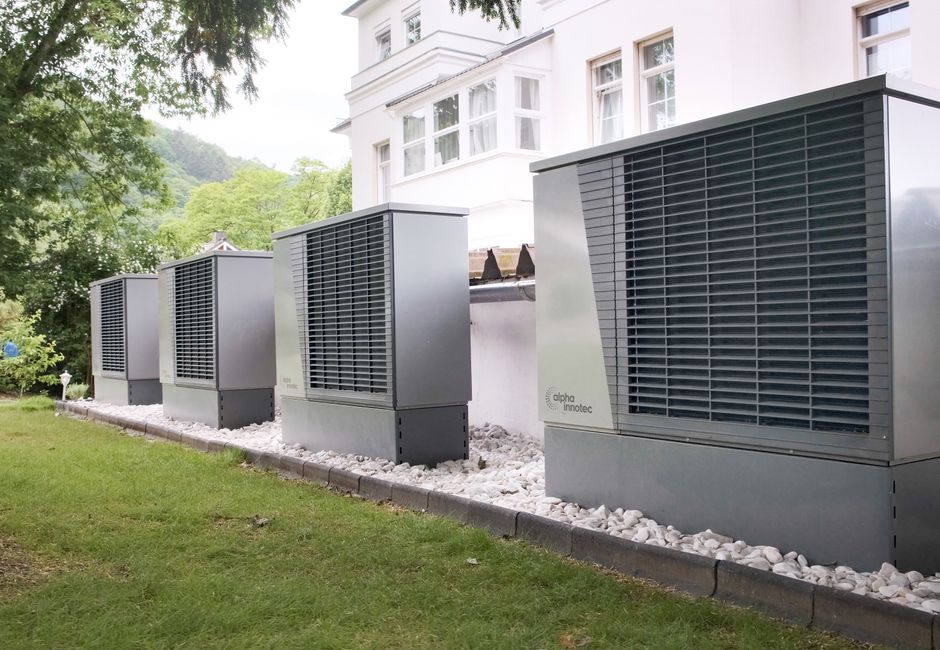
Photo: alpha innotec / Pexels
What is CoP and how is it measured?
CoP stands for Coefficient of Performance. It’s a ratio: the heat output divided by the electrical input. A CoP of 3 means the heat pump produces 3 kWh of heat for every 1 kWh of electricity consumed. In other words, it’s 300% “efficient” — something a resistive electric heater (CoP of 1) can never achieve, because heat pumps don’t generate heat, they move it from outside air (or ground) into your home.
The crucial thing to understand is that CoP is not a fixed property of a heat pump. It changes constantly depending on outdoor temperature, the temperature you’re heating your home to, and how hard the system is working. Manufacturers publish CoP figures measured under controlled lab conditions — typically at an outdoor air temperature of 7°C and a flow temperature of 35°C. Those are ideal conditions, and real-world performance is nearly always lower.
The two temperatures that drive CoP
CoP is shaped by the “lift” — the difference between the outdoor temperature and the temperature the heat pump is trying to achieve in your heating system (the flow temperature). The smaller the lift, the easier the job, and the higher the CoP. This is why two facts matter enormously:
Cold weather hurts efficiency. When outdoor temperatures drop to −3°C, CoP falls significantly compared to performance at 7°C or 10°C.
Low flow temperature boosts efficiency. Running your system at 45°C rather than 60°C can increase CoP by 30–50%. This is why heat pumps work best with underfloor heating or correctly sized radiators that can deliver adequate heat at lower temperatures.
CoP at different outdoor temperatures: what to expect
The table below shows typical CoP figures for a well-installed air source heat pump in the UK at different outdoor temperatures, running at two common flow temperatures. These are real-world indicative figures, not manufacturer lab ratings.
Outdoor temperature
CoP at 35°C flow temp
CoP at 50°C flow temp
Typical UK occurrence
−5°C
2.0 – 2.5
1.5 – 1.8
Rare cold snaps, Jan–Feb
0°C
2.5 – 3.0
1.8 – 2.2
Cold spells, Dec–Feb
5°C
3.0 – 3.5
2.2 – 2.8
Common, Oct–Mar
7°C
3.5 – 4.0
2.5 – 3.2
Standard, Sep–Apr
10°C
4.0 – 4.8
3.0 – 3.8
Mild autumn/spring days
15°C
5.0 – 6.0
3.8 – 4.5
Warmer months
The UK’s temperate maritime climate is actually favourable for heat pump performance. Temperatures below −5°C are rare in most of England and Wales, which means heat pumps here operate closer to their mid-range efficiency most of the time. Scotland and upland areas see more cold days, which affects seasonal averages — but rarely severely.
SCOP: the number that actually matters for your bills
Because CoP varies hour by hour, a single snapshot figure tells you little about annual running costs. That’s where SCOP — Seasonal Coefficient of Performance — comes in. SCOP averages the CoP across a full heating season, accounting for all the warm days, cold days, and everything in between. It’s defined under the EU’s ErP regulations (adopted into UK law post-Brexit) and is the figure used in marketing literature and product datasheets.
SCOP is sometimes also called SPF (Seasonal Performance Factor). The terms are used interchangeably in the industry, though SCOP is the technically correct EU/UK regulatory term. When you see a heat pump advertised with a quoted SCOP of 3.5, it means that across the heating season as a whole, the system produces 3.5 units of heat per unit of electricity consumed — on average.
SCOP ratings for UK climate zones
EU and UK regulations calculate SCOP against three reference climate zones: warmer (Strasbourg equivalent), average (Brussels equivalent), and colder (Helsinki equivalent). The UK sits between “average” and “warmer” — so when manufacturers quote SCOP values, the “average” climate figure is the most relevant for most of England. Scotland uses the “colder” figure as a rough proxy.
System type
Typical SCOP (average UK climate)
Typical SCOP (Scotland/upland)
Notes
Air source HP, 35°C flow, modern unit
3.5 – 4.5
3.0 – 3.8
Best case — good insulation, UFH or large rads
Air source HP, 45°C flow, standard rads
2.8 – 3.5
2.5 – 3.0
Typical UK retrofit scenario
Air source HP, 55°C flow, old radiators
2.0 – 2.5
1.8 – 2.2
Poorly matched system — avoid
Ground source HP, 35°C flow
4.0 – 5.0
3.8 – 4.5
More stable — ground stays ~10°C year-round
Nesta’s landmark Heat Pump Field Trial, which monitored 742 UK homes over 12 months, found a median seasonal performance factor of 2.8 across all installations — below the headline figures often quoted by manufacturers. Critically, the trial also showed that performance varied enormously between homes: the top quartile achieved SPF above 3.5, while the bottom quartile barely reached 2.0. The difference almost always came down to system design and flow temperature — not the heat pump unit itself.
How flow temperature affects efficiency — and your bills
Flow temperature is the single biggest lever you have over your heat pump’s efficiency. Every 1°C increase in flow temperature reduces CoP by roughly 2–3%. Run your system at 55°C instead of 45°C, and you’ve just handed back 20–30% of your efficiency gains. Over a full heating season, that translates directly to higher electricity bills.
Many installers set flow temperatures conservatively high — often 55–60°C — because they’re worried about homeowner complaints of cold radiators. The result is a system that technically heats the house but performs far below its potential. The right approach is to commission the system at the lowest flow temperature that still meets your heat demand on the coldest expected day. This requires proper heat loss calculation and correctly sized heat emitters (radiators or underfloor heating).
If you have underfloor heating, you’re already in a good position: UFH runs comfortably at 35–40°C, which is close to ideal for heat pump efficiency. If you have radiators, they need to be checked — and possibly upgraded — to confirm they can deliver adequate heat at 45–50°C. Our heat pump sizing guide explains how heat loss calculations and emitter sizing interact.
Weather compensation: automatic efficiency tuning
Most modern heat pumps include weather compensation — a controller that automatically lowers the flow temperature when outdoor temperatures rise. On a 10°C day, there’s no need to run the system at 55°C. Weather compensation means the system automatically drops to 40°C or lower, boosting efficiency exactly when conditions allow it. If your installer hasn’t enabled weather compensation, ask them to — it’s usually a settings change, not a hardware upgrade, and it can improve annual SCOP by 0.3–0.5 points.
What SCOP should you expect from a well-installed UK system?
For a well-designed, properly commissioned air source heat pump in a well-insulated UK home, a realistic target SCOP is 3.0–3.5. Homes with underfloor heating throughout can realistically reach 3.5–4.0. Ground source systems in the same conditions should achieve 4.0–4.5. These are real-world figures, not lab optimums.
If your SCOP is below 2.5, something is wrong. Common culprits: flow temperature set too high, an oversized system that short-cycles frequently, an undersized system that struggles on cold days, or a poorly insulated home that’s demanding more heat than the design anticipated. The Heat Pump Association’s homeowner resources are a good starting point for understanding what you should be getting from your system.
Rated efficiency vs real-world efficiency: what changes it
Manufacturer SCOP figures are tested in controlled conditions. Real-world performance diverges for several reasons:
Defrost cycles. In cold, damp UK conditions, air source heat pumps periodically reverse their cycle to defrost the outdoor coil. During defrost (typically 5–10 minutes, every few hours in cold weather), the system is temporarily drawing heat from indoors — reducing net efficiency.
Hot water heating. If your heat pump heats domestic hot water as well as your home, the hot water cyliner needs to be heated to 50–60°C — well above the flow temperatures optimal for space heating. This brings the blended SCOP down. Smart scheduling (heating water overnight on cheaper tariffs) can mitigate this.
Legionella pasteurisation. Most heat pump controllers run a weekly anti-Legionella cycle that heats the cylinder to 60°C+ using an immersion heater or high-temp mode. This uses more electricity than normal hot water heating. Our heat pump hot water guide covers this in detail.
Intermittent operation. A heat pump that’s switched on and off like a gas boiler (quick bursts to heat the house when cold) performs worse than one running continuously at low output. Heat pumps prefer to run longer at lower power — this is a controls issue, not a hardware one.
Oversizing. An oversized heat pump short-cycles — it reaches target temperature quickly, switches off, the house cools, and it switches on again. Every start is inefficient. Our sizing guide explains why correct sizing matters as much as the unit you choose.
How to check if your system is performing as expected
You don’t need specialist equipment to get a rough read on your heat pump’s performance. Most modern units have a built-in energy monitoring display or an app. Here’s a simple method:
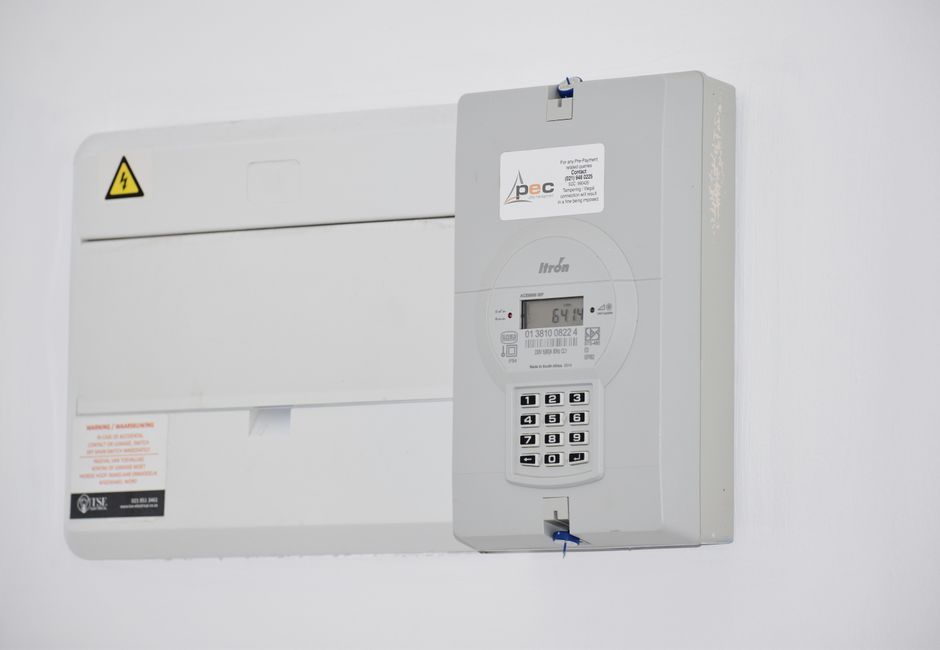
Note your electricity consumption (kWh) from the heat pump’s energy meter over a month.
Note the heat output (kWh) reported by the system over the same period.
Divide heat output by electricity input. That’s your monthly CoP (a rough seasonal proxy).
Compare it to the table above, accounting for the month’s average outdoor temperatures.
If your number is more than 20% below the expected range for your conditions, investigate. Check that your flow temperature is set appropriately, that weather compensation is active, and that the system isn’t short-cycling. If you can’t identify the cause, ask your installer to revisit the commissioning settings — this is often a free fix, not a new hardware problem.
The Energy Saving Trust’s heat pump guidance also outlines what to expect from a well-running system and how to raise concerns with your installer or MCS if you believe the installation was deficient.
Efficiency and running costs: putting it in £
All of this matters because efficiency directly determines your electricity bill. With electricity priced at approximately 25p/kWh under the current Ofgem price cap, a system with SCOP 2.5 costs 10p per kWh of heat delivered. A system with SCOP 3.5 costs 7.1p per kWh of heat — 29% less. Over 15,000 kWh of annual heat demand (a typical 3-bedroom semi), that difference is £435/year.
The gap widens further if you’re on a specialist heat pump tariff. Tariffs like Octopus Cosy or similar off-peak offerings can reduce the effective electricity cost during heating hours, shifting your true cost per kWh of heat down to 5–6p — competitive with or below gas even before you factor in the CoP multiplier. Check our heat pump costs guide for a full breakdown of running costs by home type, and use our savings calculator to model your specific situation.
CoP is an instantaneous efficiency ratio. SCOP is the seasonal average — the figure that determines your actual bills.
A realistic SCOP target for a well-installed UK air source system is 3.0–3.5. Ground source can reach 4.0–4.5.
Flow temperature is the biggest lever. Every 1°C lower saves approximately 2–3% on running costs.
Weather compensation should be enabled on every system — it’s a free efficiency gain.
Nesta field trial data shows the top quartile of UK installs achieves SPF above 3.5 — the bottom quartile barely reaches 2.0. The difference is almost always system design and commissioning, not the unit itself.
If your SCOP is below 2.5, something needs investigating. It’s almost certainly fixable without replacing the unit.
For homes considering a heat pump, getting the sizing right from the start is the foundation of good efficiency. Read our heat pump sizing guide to understand how heat loss calculations work, and browse our full guides index for everything else you need to make an informed decision.