Air-to-Air vs Air-to-Water Heat Pump UK: Which Should You Choose?
October 14, 2026•admin•13 min read
Searching “air to air vs air to water heat pump UK” returns a lot of content that either conflates the two or only covers one of them. This guide explains the genuine differences clearly, so you can decide which type is right for your home. The short version: air-to-water heat pumps feed your existing wet central heating system and are eligible for the government’s £7,500 Boiler Upgrade Scheme grant; air-to-air heat pumps heat your rooms directly like a reverse-cycle air conditioning unit, cost less to install, but don’t qualify for the grant in most cases and don’t provide hot water. Both are legitimate options for UK homes — they just suit different situations.
This article contains affiliate links. If you buy through them, we may earn a small commission at no extra cost to you. This doesn’t affect our editorial independence — we only recommend products we’d genuinely suggest to a friend.
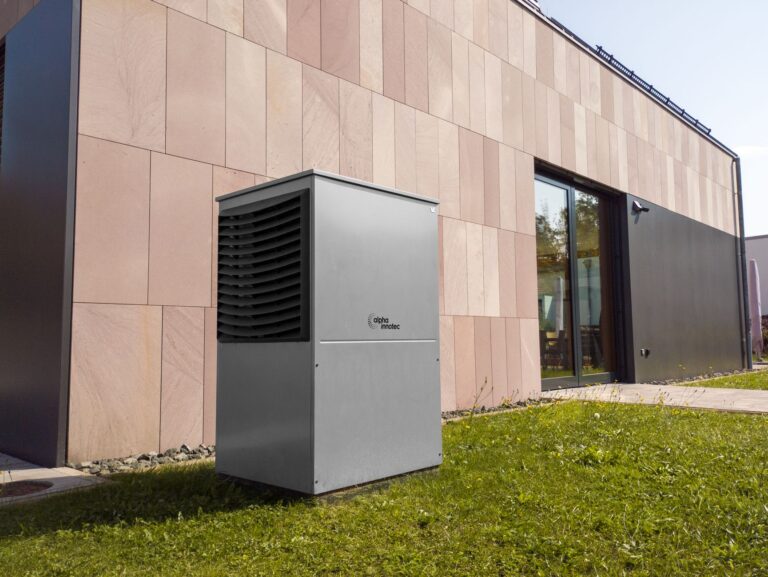
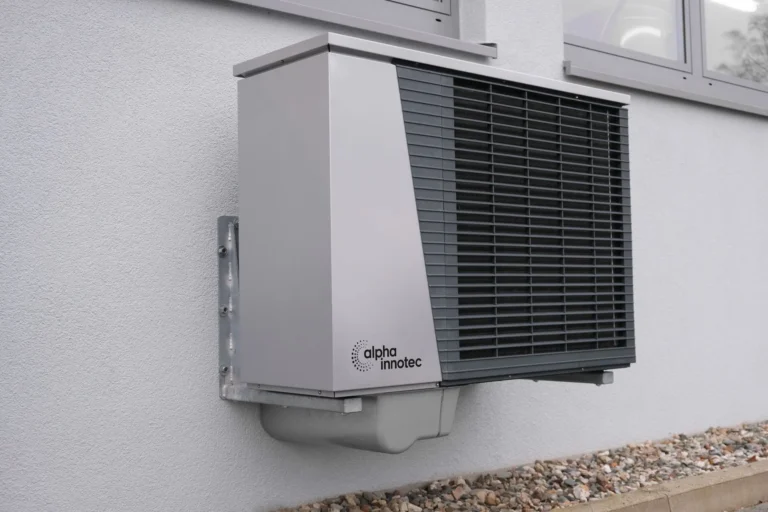
Left: a wall-mounted air-to-air indoor unit (Daikin Emura). Right: an air-to-water outdoor unit (Mitsubishi Ecodan) connected to a wet central heating system.
How air-to-air heat pumps work
An air-to-air heat pump is essentially a reversible air conditioning unit. The outdoor unit extracts heat from outside air using a refrigerant circuit, and the indoor unit — usually a wall-mounted cassette — blows warm air directly into the room. In summer, you reverse the cycle and it becomes an air conditioner, blowing cool air instead.
There is no hot water cylinder, no radiators, and no pipework connecting to your existing central heating system. Each room that you want to heat typically needs its own indoor unit (a “split” system), or you can run multiple indoor units from a single outdoor unit (a “multi-split” system). You still need a separate system for domestic hot water — either an immersion heater, a solar thermal system, or a dedicated hot water heat pump.
Common air-to-air heat pump brands in the UK include Daikin (Emura, Stylish, Perfera series), Mitsubishi Electric (MSZ series — not to be confused with Mitsubishi Ecodan, which is air-to-water), Samsung, Panasonic, and LG. Prices typically range from £5,000 to £10,000 installed for a 3-bed home with 3–4 indoor units.
How air-to-water heat pumps work
An air-to-water heat pump works by extracting heat from outside air and transferring it into water in your central heating system. That hot water then circulates through your radiators and underfloor heating circuits, and heats your domestic hot water cylinder — exactly as a gas boiler does. The difference is that a heat pump does this much more efficiently at lower water temperatures: 35–50°C instead of 65–75°C for a conventional boiler.
This is the technology that most people mean when they say “heat pump” in the UK context. Leading UK-installed models include the Mitsubishi Ecodan, Vaillant Arotherm+, Daikin Altherma 3, Samsung EHS, Octopus Cosy Heat Pump (manufactured by Vaillant or Daikin depending on contract), and the Nibe S-series. Installation costs run from £8,000 to £15,000 fully installed, though the £7,500 Boiler Upgrade Scheme grant brings the net cost down to £500–£7,500 depending on what else is needed (cylinder, radiator upgrades, etc.).
The Boiler Upgrade Scheme (BUS) grant pays £7,500 towards the cost of an air source heat pump installation. It applies to air-to-water systems — those that replace a fossil fuel boiler and connect to a wet central heating system. Air-to-air systems are not eligible for the BUS grant in most circumstances because they don’t directly replace a central heating system.
This is a significant financial consideration. The grant effectively makes a mid-range air-to-water heat pump competitive in installation cost with a new gas boiler — or even cheaper when you factor in that you won’t be buying gas going forward. An air-to-air system, while cheaper to install upfront, doesn’t attract this subsidy.
There is no MCS certification requirement for air-to-air systems in the same way — BUS applications require an MCS-certified installation, which is only relevant for air-to-water. That said, using an MCS-certified contractor for any heat pump work is still recommended for quality assurance.
Planning permission differences
Both air-to-air and air-to-water heat pump outdoor units typically fall under permitted development in England, Wales, and Scotland — meaning you don’t need planning permission, as long as you meet certain conditions (the unit isn’t on the roof, isn’t within 1 metre of a boundary, the property isn’t in a conservation area, etc.).
The government’s guidance on permitted development for heat pumps covers both types. In practice, the outdoor units for air-to-air split systems are often smaller and quieter than air-to-water units, which can make planning and neighbour relations slightly easier — particularly in dense urban areas.
If your property is listed or in a conservation area, you’ll need to apply for planning permission regardless of the technology type. Contact your local planning authority before installing either system.
Comfort comparison: instant warmth vs gradual heat
This is one of the most practically important differences — and one that rarely gets explained well.
Air-to-air systems heat up quickly. Because they blow warm air directly into the room, you feel the warmth within minutes of switching on. This makes them familiar — the experience is similar to a fan heater or a gas fire. They’re excellent for rooms you use intermittently, like a home office or conservatory, and they can cool in summer.
Air-to-water systems heat gradually and continuously. Because they heat water and circulate it through radiators, the warming effect is slower and more even — more like the sensation of central heating rather than a direct heat source. They’re designed to run all day at low intensity rather than switching on and off, which is more efficient but requires a mindset shift if you’re used to gas boiler “blast and forget” operation.
For most families in typical UK terraced or semi-detached houses, the continuous low-level warmth of an air-to-water system feels completely normal once you’re used to it. The slow warm-up after returning to a cold house is the main adjustment — but with a smart thermostat and scheduling, you pre-heat before you arrive home.
Air-to-air heats room air directly; air-to-water heats water that circulates through radiators and the hot water cylinder.
Cost comparison: installed and running
Factor
Air-to-air heat pump
Air-to-water heat pump
Typical installed cost (3-bed home)
£5,000–£10,000
£8,000–£15,000
BUS grant available
No (in most cases)
Yes — £7,500
Net cost after grant
£5,000–£10,000
£500–£7,500
Provides domestic hot water
No
Yes
Replaces gas boiler fully
No — needs separate hot water solution
Yes
Running cost efficiency (SCOP)
2.5–4.0 typical
2.5–3.8 typical
Cooling in summer
Yes
No (unless reversible model)
MCS certification required
Not for the system itself
Yes — required for BUS grant
Which brands do which?
This causes more confusion than almost anything else in the heat pump market, because several manufacturers sell both types under similar names:
Mitsubishi Ecodan — air-to-water. Widely regarded as one of the best UK air-to-water systems, particularly the 8.5kW and 11.2kW monobloc units. Distributed through Mitsubishi’s UK trade network.
Mitsubishi Electric MSZ/MXZ series — air-to-air. The domestic split system range, sold through air conditioning contractors. Excellent quality but a completely different product to the Ecodan.
Daikin Altherma 3 — air-to-water. One of the most popular installer choices for UK residential BUS grant work.
Daikin Emura / Stylish / Perfera — air-to-air. Daikin’s premium split system range, popular for room-specific heating/cooling.
Vaillant Arotherm+ — air-to-water. Available in 5kW, 7kW, and 10kW monobloc configurations. Particularly popular in the UK due to Vaillant’s existing installer network.
Samsung EHS (Eco Heating System) — air-to-water. Strong efficiency figures at low ambient temperatures. The Samsung WindFree range is air-to-air.
When air-to-air is the right choice
Air-to-air makes sense when:
You’re in a flat or apartment with no wet central heating system and no space for a hot water cylinder
You already have electric immersion heating for hot water and want to reduce space heating costs
You primarily want cooling capability in a conservatory, home office, or bedroom
You’re in rented accommodation or a property where major works aren’t feasible
You have a room that’s always cold and you want a targeted solution rather than a whole-house system
For most UK owner-occupiers with a house and existing radiators, the answer is almost always air-to-water. The £7,500 BUS grant transforms the economics, the system fully replaces your boiler, and it provides both heating and hot water. Yes, it’s more complex to install and needs more planning — but it’s what the UK heating industry, MCS certification framework, and government policy are built around.
Air-to-air makes sense for flats, rooms, cooling requirements, or situations where a full wet system replacement isn’t possible or practical. If that’s you, the lower installation cost and immediate warmth delivery make it an excellent choice — you just need a separate plan for hot water.